0%

Global fragrance development is no longer limited to a memorable scent. Brands need distinctive olfactory identities, dependable production, and responsible market entry. Custom Fragrance Formulation Services connect creative direction with technical development for perfumes, personal care, home products, and lifestyle collections. The best partners understand how fragrance performs on skin, fabric, packaging, and finished products.

Experienced perfumers begin with a clear brief. They study the target audience, brand story, product base, and intended markets. A fresh citrus opening may feel energetic in a concept vial, yet disappear quickly in a cream or shampoo. Skilled formulators test these differences through controlled evaluations. They refine balance, longevity, diffusion, and sensory comfort. Small details matter. A single woody note can change the entire character.

Reliable services also include safety screening, ingredient traceability, stability testing, and regulatory review. Requirements can differ between regions, product categories, and labeling systems. Responsible suppliers therefore provide practical documentation and communicate limitations clearly. Compliance should not be treated as a final paperwork exercise. It belongs inside the creative process.

Still, no formula is perfect. Consumer preferences shift, raw materials vary, and early testing can reveal unexpected results. That is useful. A thoughtful development team records these lessons and adjusts without losing the original concept. Global brands should compare technical capability, communication quality, pilot-scale support, and production consistency. The right partner does more than supply fragrance. It helps transform an attractive idea into a credible, scalable, and commercially responsible product.
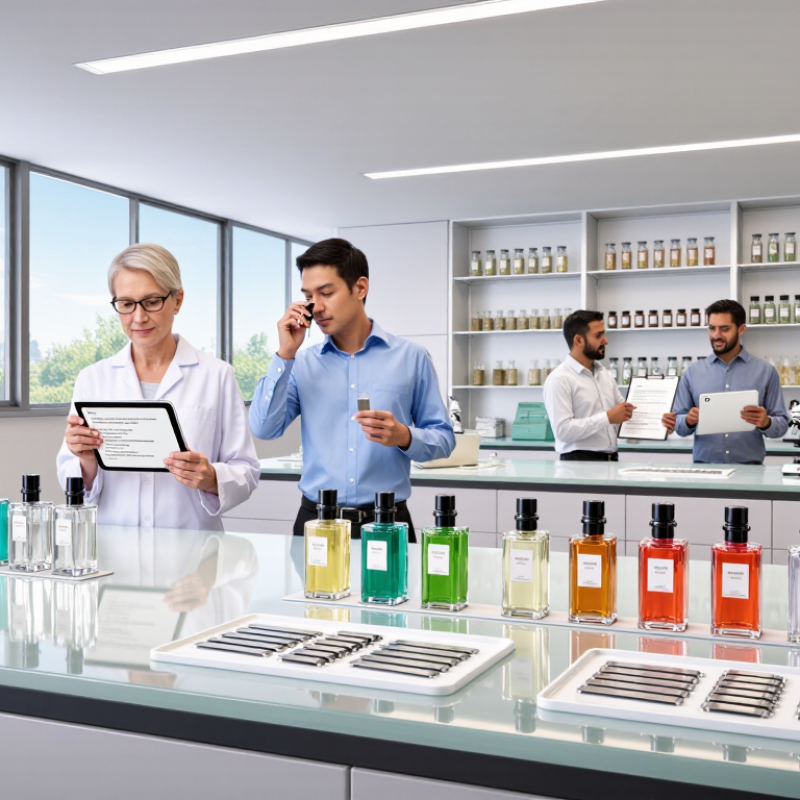
Top Custom Fragrance Formulation Services for Global Brands

What Custom Fragrance Formulation Services Include

Custom fragrance formulation services turn a creative brief into a stable, manufacturable scent. The process often starts with market research, consumer preference mapping, and an olfactive direction. According to Grand View Research, the global fragrance market was valued at approximately USD 51.4 billion in 2023. This scale increases pressure on developers to create distinctive but commercially practical formulas.

A professional service usually covers ingredient selection, accords, dosage testing, stability screening, and pilot production. Perfumers may test a formula on blotter strips, skin, packaging materials, and finished products. Technical teams also review allergen declarations, safety limits, and required documentation. The International Fragrance Association publishes standards that help guide responsible ingredient use. Still, compliance checks must match the destination market. One global formula may need adjustments.

The service should include reformulation support. A preferred raw material can become unavailable, change in odor, or exceed a project budget. Some formulas fail during heat testing. Others smell attractive at first, then lose character after several weeks. That is normal, but it requires honest evaluation. Euromonitor’s consumer research continues to show strong interest in personalization and sensory experiences, increasing demand for flexible development. Reliable suppliers therefore record every trial, retain reference samples, and explain compromises clearly. Good formulation is not only about a beautiful opening note. It is also about repeatability, safety, documentation, and performance in real products.

How Global Brands Define Fragrance Development Requirements

Global brands define fragrance development requirements through precise, evidence-based briefs. A strong brief identifies the product format, target market, consumer profile, and desired emotional effect. It also specifies dosage, application method, packaging contact, and expected shelf life.

The development team should translate words like “clean,” “warm,” or “premium” into measurable fragrance directions. Reference samples, scent strips, and controlled evaluation sessions reduce subjective confusion. Regulatory screening must cover restricted ingredients, allergen declarations, and market-specific documentation before formula approval. Stability tests should examine heat, light, oxidation, and interaction with the final base.

Technical experience matters when a fragrance smells excellent on a strip but changes inside shampoo, lotion, or detergent. Pilot batches reveal these differences early. Sensory panels can compare intensity, diffusion, dry-down, and consumer acceptance across regions. Supplier traceability, batch consistency, and clear certificates support reliable production.

Briefs change. Some assumptions fail. A fragrance may perform well in one climate but feel weak in humid conditions. Teams should record every adjustment, including rejected versions and unexpected results. This honest record improves later decisions and helps formulation partners challenge unclear requirements without slowing development. Clear approval gates, sample codes, and written feedback keep global projects aligned across laboratories, procurement teams, and local evaluators.

Top Custom Fragrance Formulation Services for Global Brands - How Global Brands Define Fragrance Development Requirements

Requirement Dimension What Global Buyers Typically Define Custom Formulation Service Scope Key Technical Deliverables Typical Acceptance Criteria Relevant Compliance Considerations
Brand and Olfactive Direction Target consumer, product positioning, fragrance family, desired intensity, mood, and reference products. Creative briefing, olfactive mapping, benchmark evaluation, and iterative modification of fragrance accords. Creative brief, scent profile, evaluation samples, modification records, and approved reference standard. Final fragrance matches the agreed scent direction in blotter and finished-product evaluation. Marketing claims should be supportable and must not conflict with applicable cosmetic or consumer-product rules.
Product Application Product type, dosage range, base formula, packaging format, storage conditions, and intended use. Application testing in relevant bases such as fine fragrance, body care, hair care, home care, or functional products. Recommended dosage range, compatibility observations, application samples, and formulation guidance. Acceptable odor profile, appearance, and performance in the intended base at the agreed dosage. All ingredients must be suitable for the intended product category and market.
Regulatory and Market Access Target sales markets, product category, restricted substances, documentation needs, and launch schedule. Regulatory screening, ingredient review, market-specific documentation support, and reformulation when needed. Ingredient declaration support, safety-related documents, compliance statements, and market assessment records. Formula is designed to meet the current requirements specified for the target markets and product category. Common reference frameworks may include IFRA Standards, relevant national cosmetic regulations, and allergen-labeling requirements.
Safety and Toxicological Review Intended exposure, product application, consumer population, use level, and required safety documentation. Safety data collection, exposure information review, restricted-material screening, and coordination with qualified safety professionals. Safety data package, ingredient documentation, usage recommendations, and identified risk-mitigation actions. Available data supports the intended use and identifies any required labeling or formulation controls. Safety assessment requirements vary by jurisdiction, product type, and route of exposure.
Ingredient Transparency Natural-origin targets, allergen disclosure, vegan or renewable-material preferences, and prohibited-material lists. Ingredient sourcing review, natural-origin evaluation, alternative-material development, and documentation management. Ingredient list, origin information where available, allergen status, certificates, and substitution options. Materials meet the agreed specification without compromising odor, stability, or regulatory suitability. Terms such as “natural,” “organic,” “vegan,” and “sustainable” require market-appropriate substantiation.
Performance and Stability Odor longevity, substantivity, discoloration risk, interaction with the base, and expected shelf life. Accelerated stability screening, heat and light observation, base compatibility testing, and performance evaluation. Stability protocol, test samples, observation records, compatibility results, and recommended storage conditions. No unacceptable odor change, precipitation, separation, color shift, or performance loss during the agreed test period. Testing conditions should reflect the product type, packaging, intended distribution, and expected storage environment.
Sensory Evaluation Evaluation method, panel type, reference standard, scoring scale, and decision-making process. Blotter testing, in-base testing, controlled sensory comparisons, and structured feedback incorporation. Evaluation forms, scoring summaries, panel comments, version history, and approved sensory benchmark. Evaluation results meet the agreed sensory threshold and show consistency across approved samples. Panels should use controlled procedures to reduce bias and maintain traceable decision records.
Sampling and Development Process Sample quantity, turnaround expectations, number of modification rounds, and approval checkpoints. Brief confirmation, sample preparation, feedback review, reformulation, and final approval management. Sample identification, formula version control, development timeline, and approval documentation. Each sample is traceable, clearly labeled, and evaluated against the latest approved brief. Confidential information and formula ownership should be addressed in the commercial agreement.
Scale-Up and Manufacturing Planned batch size, production location, filling process, equipment limitations, and supply continuity. Pilot-batch support, manufacturing transfer, process review, and production troubleshooting. Manufacturing specification, batch instructions, quality checkpoints, and scale-up observations. Production material reproduces the approved standard within defined sensory and analytical tolerances. Manufacturing controls should align with applicable quality systems and product-category requirements.
Quality Control Identity, appearance, odor, density, refractive index, documentation, and batch-release requirements. Raw-material checks, finished-fragrance testing, retained samples, and certificate review. Certificate of analysis, specification sheet, batch record, retained sample, and deviation process. Each batch conforms to the approved specification and agreed release limits. Analytical methods and specifications should be appropriate for the fragrance material and application.
Packaging Compatibility Container material, closure system, decoration, filling conditions, and exposure to heat or light. Compatibility screening with representative packaging and review of odor adsorption, leakage, and appearance changes. Packaging test plan, compatibility observations, filling recommendations, and risk assessment. No unacceptable leakage, material attack, odor loss, discoloration, or component degradation. Packaging selection should consider chemical compatibility, transport conditions, and consumer safety.
Cost and Supply Planning Target cost, minimum order quantity, forecast volume, lead time, dual sourcing, and continuity expectations. Cost optimization, alternative-material assessment, supply planning, and production-volume alignment. Indicative cost model, sourcing options, lead-time estimate, minimum-order assumptions, and continuity plan. Commercial proposal supports the target cost and expected volume without reducing required quality or compliance. Cost comparisons should account for quality grade, documentation, availability, logistics, and regulatory suitability.
Sustainability Requirements Renewable feedstocks, recycled packaging, responsible sourcing, carbon information, and waste reduction goals. Material-screening support, lower-impact alternatives, concentrated formats, and documentation review. Material-origin information, available sustainability certifications, packaging recommendations, and trade-off analysis. Sustainability claims are supported by relevant evidence and do not compromise product performance or safety. Environmental claims should be specific, verifiable, and compliant with applicable advertising and consumer-protection rules.
Intellectual Property and Confidentiality Ownership of the formula, exclusivity, confidentiality period, evaluation restrictions, and development records. Confidential project handling, controlled sample distribution, formula version management, and contractual clarification. Confidentiality agreement, ownership terms, project archive, formula identifiers, and authorized-access records. Information is shared only with authorized parties and project rights are documented before commercialization. Intellectual-property terms should be agreed in writing before detailed formula development begins.
Planning note: Final requirements should be confirmed by product category, target market, dosage, packaging, intended use, and current regulatory status before commercialization.

The Custom Fragrance Formulation Process Explained Step by Step

Custom fragrance formulation begins with a clear creative brief. A global brand defines the mood, target customer, product format, and budget. The perfumer then studies reference materials, market expectations, and regional compliance requirements. A useful brief might describe warm cedar, soft tea, and a clean finish. Vague language slows development.

Small trials follow. The perfumer weighs each ingredient precisely and prepares several laboratory mods. Each mod changes one detail, such as citrus brightness or musk softness. Blotter strips reveal the opening, heart, and dry-down over several hours. Skin testing may show a different result. It can be surprising.

Revision is normal. The first version may smell sharp, flat, or too familiar. That is valuable evidence, not failure. The evaluation team records comments at ten minutes, two hours, and the next morning. Stability checks then examine color, odor, and performance under controlled heat and light. Safety documentation, allergen information, and required technical files are prepared before production approval. A pilot batch tests whether the formula performs consistently in the intended base, bottle, and filling process. Details matter. A beautiful laboratory sample can still lose character in a cream or cleanser. Careful communication, documented decisions, and honest feedback keep the formulation practical, compliant, and ready for scale.

Testing, Safety, and Regulatory Compliance in Fragrance Development

Top Custom Fragrance Formulation Services for Global Brands

Reliable fragrance development starts with evidence, not attractive scent descriptions. A professional formulation service should document raw-material identity, supplier declarations, allergen data, and intended product use. The IFRA Transparency List covers more than 3,000 fragrance ingredients, showing why traceable material selection matters. Each formula needs a clear safety rationale.

Testing should reflect real consumer conditions. Stability checks can expose discoloration, sediment, odor changes, or packaging interaction. Skin compatibility assessments should follow recognized methods, including OECD guidance where applicable. For leave-on products, assess exposure carefully. The SCCS Notes of Guidance, 12th revision, remains an important European safety reference. Still, one testing panel cannot predict every market outcome. That limitation deserves honest discussion.

Tips: Request a compliance matrix before approval. Check IFRA certificates, allergen declarations, and regional restrictions. Keep retained samples from every production batch. Verify translations and packaging claims with regulatory specialists. Small omissions become expensive later.

Global compliance also requires version control. Regulations, restricted substances, and allergen labeling rules can change after a formula is approved. A competent partner should monitor updates and preserve an auditable trail. In my experience, teams often underestimate documentation time. The scent is only part of the product. Safety files, test results, and market-specific reviews protect both users and development decisions.

How to Evaluate Global Fragrance Formulation Partners

How to Evaluate Global Fragrance Formulation Partners

A strong global fragrance partner should show more than attractive scent strips. Ask for formulation experience across climates, product formats, and consumer preferences. A sample may smell elegant in a cool office, then flatten after six weeks at 40°C. Request stability data, allergen information, ingredient specifications, and batch records before approval. Clear documents reveal operational maturity.

Evaluate the technical team through practical questions. Can the perfumer adjust dosage without damaging texture or color? Can the laboratory reproduce a formula across pilot and production batches? Review testing for heat, light, oxidation, packaging interaction, and odor retention. Small details matter. A competent partner should explain failures without hiding them. That honesty is useful, although it may expose gaps in their process.

Global work also requires reliable communication and controlled change management. Confirm response times, regional regulatory support, minimum order quantities, lead times, and backup raw-material plans. Ask who owns the formula and how revisions are recorded. Speak with technical contacts, not only sales representatives. A factory visit can show weighing practices, storage conditions, and cleanliness more clearly than a presentation. No partner is perfect. I would treat vague answers as a risk, but not reject a team for one imperfect trial. Corrective action, evidence, and willingness to retest often matter more. Evaluate the people behind the paperwork.

FAQS

What should a fragrance development brief include?

It should define the product format, target market, consumer profile, and desired emotional effect. Include dosage, application method, packaging contact, and shelf life. Keep assumptions visible.

How can vague words like “clean” or “premium” become useful?

Translate them into measurable scent directions. Use reference samples, scent strips, and controlled evaluation sessions. Words alone create confusion.

Why are stability tests important?

A fragrance can change after exposure to heat, light, oxygen, or the product base. Test shampoo, lotion, or detergent samples over time. A cool office can mislead.

What should technical testing examine?

Review scent intensity, diffusion, dry-down, odor retention, texture, and color. Check packaging interaction as well. Small details matter.

How can teams compare fragrance performance across regions?

Use sensory panels with evaluators from relevant markets. Compare consumer acceptance, strength, and climate performance. Humidity may make a fragrance feel weaker.

What documents should a formulation partner provide?

Request ingredient specifications, allergen information, stability data, certificates, and batch records. Supplier traceability supports consistent production. Missing documents are a concern.

How can a company evaluate a partner’s technical ability?

Ask whether the team can adjust dosage without harming texture or color. Review pilot and production batch reproducibility. Request explanations for failed trials.

What communication practices reduce development problems?

Use sample codes, approval gates, written feedback, and recorded revisions. Confirm response times, lead times, minimum quantities, and backup material plans. Not always perfect.

Should one imperfect trial disqualify a formulation partner?

Not necessarily. Corrective action, evidence, and willingness to retest may matter more. I would treat vague answers as a risk, not automatic rejection.

Conclusion

Custom Fragrance Formulation Services help global brands transform a creative fragrance concept into a distinctive, market-ready product. These services may include scent briefing, ingredient selection, formula development, sample creation, sensory evaluation, refinement, and production support. Successful development begins with clear requirements covering the target audience, product format, brand positioning, fragrance character, performance expectations, budget, timeline, and intended markets.

The formulation process typically moves from initial consultation and creative direction to laboratory trials, evaluation, adjustments, and final formula approval. Throughout development, rigorous testing helps assess stability, compatibility, quality, safety, and performance under expected storage and usage conditions. Regulatory review is also essential to ensure that ingredients, labeling, documentation, and product claims meet the requirements of each intended market. When evaluating a formulation partner, global brands should consider technical expertise, communication, confidentiality, testing capabilities, production scalability, documentation quality, and the ability to manage projects consistently across regions.


Evelyn

Evelyn

Evelyn is a professional marketing specialist dedicated to helping customers better understand innovative products, practical solutions, and the value they can bring to everyday business and life. With a strong understanding of the company’s product portfolio, market trends, customer needs, and......